
A Novel Approach to Better Understanding Liver Disease and Its Treatment
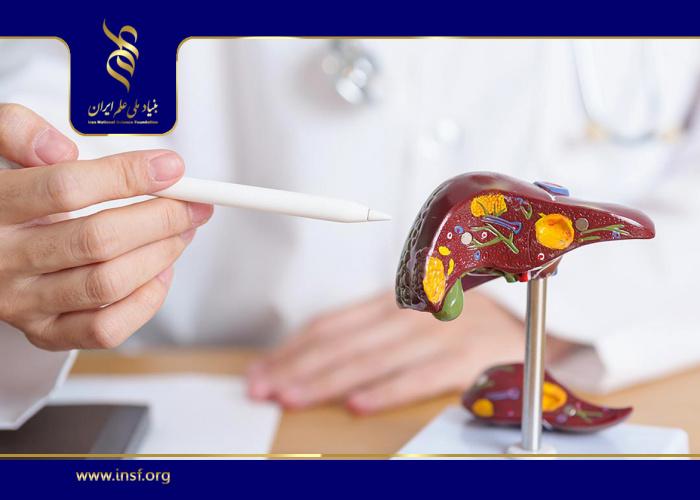
Liver fibrosis is a major global health challenge that develops as a consequence of chronic liver injury and can ultimately progress to cirrhosis and liver cancer. Because fibrosis represents the common pathological endpoint of many chronic liver diseases, including viral hepatitis, metabolic disorders, obesity, and non-alcoholic fatty liver disease (NAFLD), there is a pressing need for effective therapeutic strategies and reliable preclinical models. Despite extensive research efforts, the translation of promising anti-fibrotic therapies from animal studies to clinical practice has remained limited, largely due to the inability of existing experimental models to accurately reproduce human liver physiology and disease progression.
To address this challenge, a research project led by Fatemeh Majidi at Royan Institute, under the supervision of Prof. Abbas Piryaei and supported by an Iran National Science Foundation (INSF) PhD Research Grant, focused on the development of a biomimetic and scalable human in vitro model of liver fibrosis. The project, entitled “Generation of Fibrotic Liver Microtissues Derived from Co-culture of Parenchymal and Non-Parenchymal Liver Cells in a Liver Extracellular Matrix-Derived Hydrogel and Evaluation of Their Response to Pioglitazone”, aimed to create a physiologically relevant platform capable of reproducing the pathological processes associated with NAFLD-induced liver fibrosis while enabling large-scale drug screening applications.
The scientific rationale for the study stems from the growing prevalence of NAFLD, currently affecting approximately 20–25% of the global population. A significant proportion of these patients develop non-alcoholic steatohepatitis (NASH), which can progress to fibrosis, cirrhosis, and hepatocellular carcinoma. Although fibrosis is the primary determinant of liver-related mortality and transplantation in these patients, no broadly effective anti-fibrotic therapy currently exists. Therefore, the development of predictive human-based experimental models is essential for accelerating drug discovery and improving translational outcomes.
In this study, researchers engineered three-dimensional liver microtissues composed of four major liver cell populations. Huh-7 cells were used as a substitute for hepatocytes, while LX-2, THP-1, and HUVEC cells represented hepatic stellate cells, immune cells, and endothelial cells, respectively. These cells were encapsulated within a composite hydrogel consisting of liver-derived decellularized extracellular matrix (dECM) and alginate. The use of liver-specific extracellular matrix provided a biologically relevant microenvironment that closely mimics native liver tissue.
A key innovation of the project according to Dr. Majidi was the implementation of an air-driven pneumatic droplet generation system that enabled the production of more than 20,000 uniform liver microtissues per hour. The resulting microtissues exhibited highly homogeneous morphology, with over 80% of constructs measuring between 400 and 600 micrometers in diameter. Throughout long-term culture, the microtissues maintained high cell viability and structural integrity, demonstrating their suitability for disease modeling applications.
Overall, this project successfully established a novel biofabricated human liver fibrosis model that combines physiological relevance, scalability, and drug responsiveness. The findings highlight its potential as a valuable tool for both basic research and translational applications in liver disease and regenerative medicine.
 Soroush